



















 Jonathan BrookePrincipal Broker / Owner
 Alani GalantoTransaction Coordinator
 John ShepherdAgent
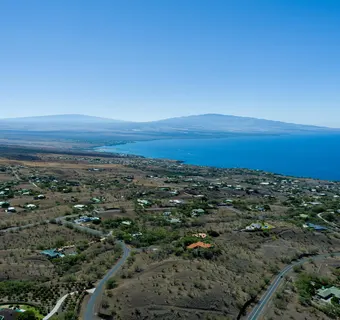
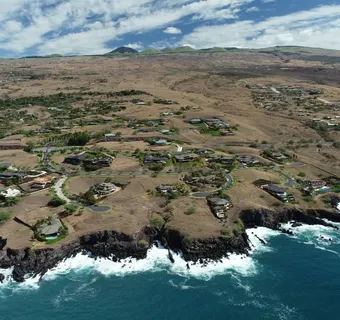
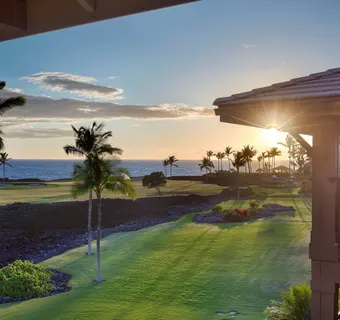
Mainland buyers write offers on Big Island properties every day without ever boarding a plane. They scroll listing photos, watch drone footage of the Kohala coastline, and sometimes fall in love before they have stood on the land.
The photography is stunning, the properties are compelling, and flying to Hawaii to tour a home you may not win is a real barrier. But attractive photos and stunning drone footage can't do the job of a skilled local broker. For sight-unseen Big Island real estate purchases, only one of them actually protects you.
Sight-unseen Big Island real estate purchases carry risks that listing photos cannot reveal. That includes structural history, infrastructure costs, and neighborhood context that only local expertise uncovers. A thorough in-person evaluation conducted on a remote buyer's behalf covers every corner of the property.
Looking Deeper at Big Island Listings
A listing reflects what a seller wants you to see, but it might not be the whole story. It won't tell you what is under the carpet, above the ceiling tiles, or behind the permitted additions.
Before I pick up a phone to walk a property virtually, I'm already thinking like a builder. I'm looking at the ceilings for paint layers and sanding patterns. I assess the floors for what might be hiding underneath, and check the foundation against known seismic history.
The 2006 Kiholo Bay earthquake registered at 6.7 magnitude and left marks across certain hillsides that an experienced eye can still date and evaluate today. That kind of structural literacy does not come from market data. You need years of hands-on work in construction and design, combined with more than two decades of living in and around the properties being sold.
When I walk a listing, I see beyond the attractive staging. I look for signs of what the property has been through and what that might mean for my client. For a closer look at my approach, read our post about what Big Island listing photos won't show you.
A Virtual Walkthrough Goes Beyond a Standard Video Tour
For buyers who cannot be there in person, a virtual walkthrough can be a good alternative. With a skilled local agent walking the property, this approach goes well past the polished listing video.
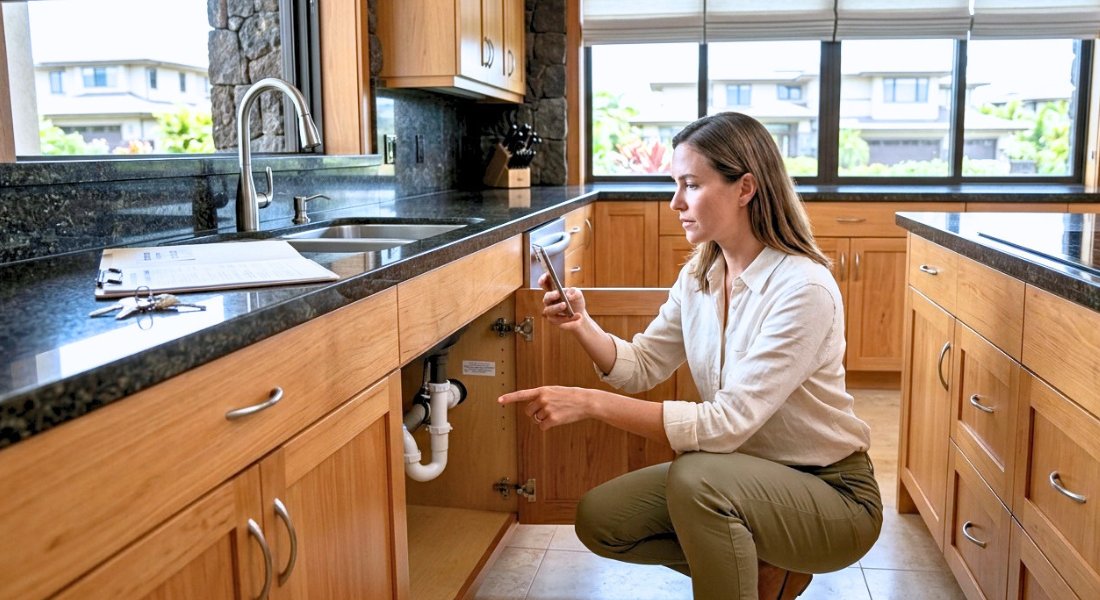
"When I have a buyer who's seen the videos online and fallen in love with a property, I want to take my phone and go outside. I'll walk the perimeter, turn the camera around, show every view, look underneath every cupboard, and feel for moisture. The biggest thing in this business is we have this really intense interaction, but that person's going to own the house for 20 years. The neighbors have heard everything that has happened to that property, and as soon as you meet them, you will hear things and it all kind of clicks and makes sense." – Jonathan Brooke, Owner and Principal Broker, Kohala Brokers
Beyond the virtual tour, neighbors can be one of the most reliable sources of property history on the island. They remember the repair that followed the storm or which contractor came out and when. That context doesn't appear in any listing, but it shapes what a buyer should understand about what they are purchasing.
The Things First-Time Big Island Buyers Consistently Miss
Mainland buyers often miss a long list of things on their first sight-unseen Big Island real estate purchase. They're unfamiliar with Hawaii's water systems, microclimate variation, and wastewater realities. None of these issues will show up in a listing.
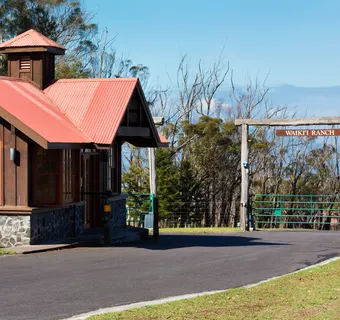
The difference between a $30 monthly water bill in Waimea and a $500 monthly bill in certain parts of Kohala Ranch isn't small. A private water system plus an irrigated yard adds up fast. That cost calculus only reveals itself if someone on the ground knows to look for it.
There's also the Hawaii cesspool conversion law, which pushes most upgrades to 2050 but can trigger earlier requirements when unpermitted improvements exist on a property. Buyers also don't understand how certain hillside foundations in the Kohala and Kona districts absorbed seismic stress in 2006.
Municipal water versus catchment also isn't a minor preference. The two come with very different ownership experiences. If you're from the mainland, a catchment system might be more than you want to deal with.
Ethical Representation Matters More in Remote Transactions
The tension in sight-unseen representation is real. I list many of the same properties buyers are evaluating, which means the instinct to highlight the good is always present. The professional obligation cuts the other way.
"I offer true buyer eyes. I represent a lot of sellers, so I don't want to be pointing out every bad thing I see in a property, but I am required to be ethical and transparent with everything. I've also helped buyers know how to navigate certain challenges a property might have. And I think the biggest thing is just: there should be no surprises. That's on the process, not the property." – Jonathan Brooke, Owner and Principal Broker, Kohala Brokers
A broker can hold both a listing relationship and a duty to an unrepresented buyer. The National Association of REALTOR®s Code of Ethics requires honest treatment of all parties. Even when you represent the seller, you must meet that obligation actively, not just technically.
What Does a Thorough Evaluation Actually Cover?
A real walkthrough covers more ground than most buyers expect. You need to be thorough to protect the client's interests.
The walk should cover:
- The full exterior perimeter, not just the camera-ready angles.
- Every interior room, with ceiling and floor conditions noted.
- Under sinks and in storage areas for moisture or pest evidence.
- Utility systems, including any visible signs of deferred maintenance.
- All views from the property, including the neighbors' rooflines and anything the drone footage framed out.
Getting pictures and video is important, but the verbal report matters as much as the footage. Anything that raises a question should be stated directly. A roof that is ten years into a fifteen-year lifespan is a budget item the buyer needs to carry into their offer math. A repaired crack in a block wall is a data point, not necessarily a dealbreaker, but the buyer deserves to know it is there.
That honest accounting is what separates a true buyer-eyes evaluation from a marketing video with a friendly voice-over.
FAQs About Sight-Unseen Big Island Real Estate
What does it mean to walk a property with buyer's eyes on sight-unseen Big Island real estate?
It refers to an in-person property evaluation performed on behalf of a remote buyer. A local broker walks the property, conducts a virtual tour via phone or video call, and reports honestly. The broker will note structural conditions, infrastructure details, and neighborhood context that listing photos don't capture. The goal is to eliminate surprises before closing.
Is buying a Big Island property sight-unseen common?
It is more common than most buyers expect. The logistics of flying to Hawaii to tour a property you may not win can be prohibitive. Working with a broker who conducts thorough in-person evaluations on your behalf significantly reduces the risk involved.
What infrastructure details should I ask about before buying on the Big Island?
Key questions include:
- Is the property on municipal water or catchment?
- What does the monthly water bill look like, including any private water system fees?
- Is there a cesspool, and does the property have any unpermitted improvements that could trigger a conversion requirement?
- Are there any open permits?
- Who maintains the road, and what does that cost annually?
Can neighbors really provide useful property history during a Big Island evaluation?
Communities like North Kohala and South Kona are close-knit. Neighbors often know what has happened to nearby properties. They might tell you about storm damage, contractor work, drainage issues, and flooding events. This information rarely surfaces in a listing but often shapes how a buyer evaluates what they are purchasing. Meeting neighbors is a standard part of thorough on-the-ground due diligence.
What should I expect from a virtual property walkthrough for a remote purchase?
A thorough virtual walkthrough should include the full exterior perimeter and all interior rooms with attention to ceilings and floors. The broker should look under sinks and in storage areas for signs of moisture or pests. They should also check the utility systems. Beyond images and video, it should include an honest verbal report on anything that raises questions.
How do I know if a Big Island broker is qualified to evaluate construction quality?
Ask directly about their background. A broker with construction and design experience will speak specifically about what they look for. They might mention foundation conditions, roofing systems, framing quality, and permitting history. Vague answers about attention to detail are not the same as structural literacy developed over years of hands-on work.
How does private road maintenance affect a sight-unseen Big Island purchase?
Many rural Big Island properties sit on private roads maintained by a road maintenance association or informally shared among neighbors. Costs vary widely, from a few hundred dollars annually to several thousand. Buyers should request road maintenance documentation before closing and confirm whether any formal road maintenance agreement exists.
See the Property Clearly Before You Commit
The goal of a virtual walkthrough for a sight-unseen client is not to talk them into or out of the purchase. The broker's job is to make sure they have the information they need to make a decision. A buyer who walks into closing knowing what they are getting stays satisfied with that decision for the twenty years they live there.
That kind of representation is worth asking for before you fall in love with the listing. It is even more important if you're considering a Big Island property and cannot be there in person yet. Schedule a buyer consultation with Kohala Brokers to talk through what you are looking at and how to see it clearly.