




















 Jonathan BrookePrincipal Broker / Owner
 Alani GalantoTransaction Coordinator
 John ShepherdAgent
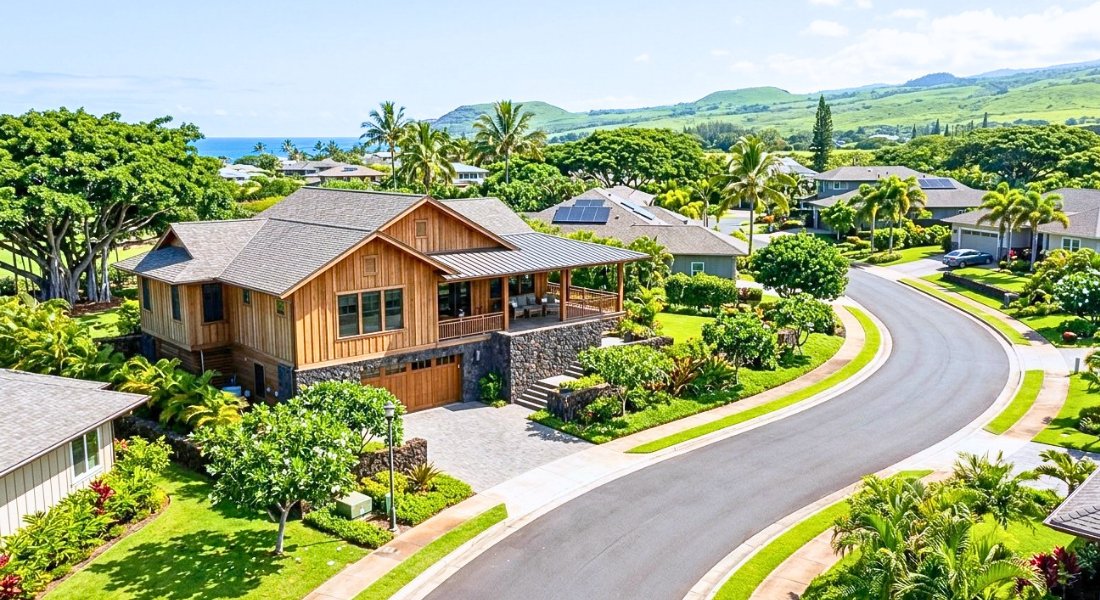
The listing tells you the square footage, the lot size, and the price. It does not tell you whether you will feel at home. On the Big Island, that distinction matters more than almost anywhere else.
The island's districts are distinct worlds, shaped by microclimate, commute reality, price point, cultural character, and the rhythms of daily life. They are not interchangeable, and an MLS can't capture all the differences that matter. Getting Big Island community selection right is the real work of buying property here.
Buying a home on the Big Island means choosing a community, not just a property. The island's districts vary dramatically in climate, commute distance, price point, and daily character. Matching buyers to the right community takes local knowledge, honest conversation, and patience beyond what any listing search can provide.
Is the Big Island Really That Big?
The Big Island spans roughly 4,028 square miles, larger than all other Hawaiian islands combined. That scale changes everything about how buyers should think about location.
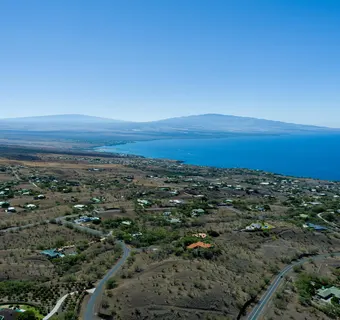
Driving from the dry, sunset-facing Kona coast to the lush, rain-fed east side is more than a commute. You're essentially crossing climates in one drive. Arid desert transitions to jungle, and ocean-facing cliffs give way to farmland. Elevation climbs from sea level to nearly 14,000 feet, where temperatures drop below freezing most nights.
That geographic reality carries enormous practical consequences. A skilled trade worker who purchases an affordable property on the east side and works on the west side faces roughly 90 minutes each direction. That commute math quickly erases the affordability advantage.
I gained this perspective from direct personal experience. Searching for a home across the island's price ranges and communities, I seriously considered the more affordable east side. When I did the commute math, I just couldn't make the numbers work.
Why "Sunset or Sunrise" Is Not Small Talk
Buyer consultations might sometimes seem like small talk. But these questions are actually part of making an assessment. Instead of just thinking about what they can afford, I'm trying to see where they are in life. I want to know what kind of daily experience will sustain them on this island long term.
"It's pretty easy for me to read people real quick without being judgmental of what's reality for them to be able to afford and what's the best area for them. Do you like to watch the sunset or the sunrise? Because they're far apart." – Jonathan Brooke, Owner and Principal Broker, Kohala Brokers
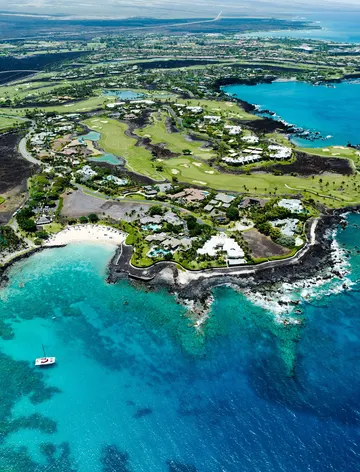
Consider a buyer drawn to the Kohala and Kona coasts, sunset views, dry weather, and direct airport access. That person is a fundamentally different match from someone who romanticizes lush greenery and lower price points on the windward side. Both options are available, and both have buyers looking for them. My job is to match the right person to the right place before the wrong attachment forms.
Finding the Right Fit Isn't Simple
It takes time to understand the texture of these communities in a way that goes well past professional knowledge. I've been here for over twenty years, but I once was the new person figuring out where to belong.
That experience shapes how I help clients find the right place to call home. I understand the importance of patience when helping a client find a community on the Big Island. I also know what it's like to hold out for the right property in the right place, under real financial pressure.
"This isn't a TV show where you see three properties and you pick one. It helps me to know what you don't like, to help narrow things down. I have some buyers that feel bad. They're like, 'I'm sorry.' And it's like, no, it's really okay. I know what it feels like. We had to have a lot of nos." – Jonathan Brooke, Owner and Principal Broker, Kohala Brokers
Matching a Buyer to the Right Big Island Community
Patience and perspective matter when matching a buyer to a Big Island community. Your broker also needs to ask the right questions to discover what you're really looking for.
I'll ask a buyer what their idea of a good weekend is. Do you need proximity to a school, a hospital, a particular kind of work? Are you buying a retreat, or relocating your entire life?
I ask these questions and listen carefully for the signals. I watch for the genuine response, the moment someone lights up, or the moment their face says, "That's not me."
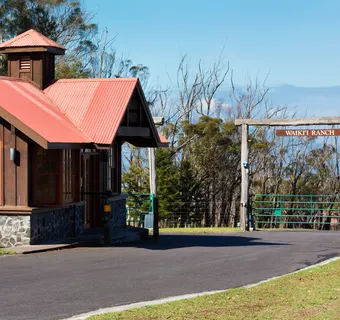
A property in Kohala Ranch sits at a particular elevation, faces a particular direction, carries a particular water cost. It also puts a buyer near a particular kind of neighbor.
A home in South Kona answers those questions differently. It has different light, different access, different culture, and a different commute.
Not sure which Big Island community actually fits your life? Talk through your priorities with the Kohala Brokers team before you fall in love with a listing in the wrong zip code.
What Buyers Overlook About Big Island Infrastructure and Daily Life
Choosing a community on the Big Island goes beyond lifestyle preference. Infrastructure realities vary sharply between districts, affecting both daily living and long-term property value.
Your water infrastructure is one of the clearest and most significant differences. Some areas rely on county water systems administered through the Hawaii Department of Water Supply. Others operate on private catchment systems where homeowners collect and store rainwater. You also have private water associations inside subdivisions, with monthly costs that can run several hundred dollars per lot per month. A buyer comparing lot prices without knowing the water cost structure is not comparing equivalent properties.
Road maintenance, access to emergency services, broadband availability, and proximity to medical care all vary by district and by elevation. The Hawaii County Planning Department governs permitting and land use in ways that differ meaningfully across the island's diverse zoning districts.
You can learn more about the infrastructure questions in our post on what buyers need to know about Big Island water systems. Our post on Hawaii's cesspool conversion law can also help buyers compare homes and communities on the Big Island.
FAQs About Big Island Community Selection
How far apart are the different communities on the Big Island?
Driving between the Kona and Kohala coasts on the west side and the east side can take 90 minutes or more each way. The Big Island spans roughly 4,028 square miles, larger than all other Hawaiian islands combined. Buyers should map actual commute times before committing to any community based on price point alone.
What makes Big Island communities so different from each other?
Each district has its own microclimate, elevation, precipitation pattern, and cultural character. The Kona and Kohala coasts are typically dry and sunny, facing west toward sunset. The east side receives heavy rainfall and supports dense vegetation. Communities in North Kohala, South Kona, and the Hamakua Coast each have distinct agricultural, artistic, and social identities that shape daily life.
Does the west side of the Big Island have better real estate value?
West side communities, particularly Kona and Kohala, tend to carry higher price points because of dry weather, ocean access, and proximity to the international airport. The east side and windward areas offer lower entry prices but come with trade-offs in commute time, humidity, and access to infrastructure. Value depends entirely on how a buyer will actually use the property and live their daily life.
What questions should I ask before choosing a Big Island community?
Practical questions matter most:
- Where will you work, and what is the realistic commute?
- Do you need to be close to medical facilities, schools, or specific businesses?
- What elevation and climate suit you best?
- What does your typical weekend look like, and which community supports that lifestyle?
Honest answers to these questions narrow the search more efficiently than browsing listings by price alone.
Is North Kohala a good place to live year-round?
North Kohala suits buyers who value a tight-knit rural community, cooler temperatures, and a strong sense of local history and culture. It is not a commuter-friendly location for those working in central Kona. The area rewards residents who integrate into its rhythms rather than treating it as a resort backdrop. It has a loyal population of long-term residents who chose it deliberately.
Can I find affordable property on the Big Island near the Kona coast?
Truly affordable entry-level inventory close to the Kona coast is limited. Buyers with tighter budgets often find better options at higher elevations or in communities farther from the airport corridor. A knowledgeable broker can help identify where price point, commute tolerance, and lifestyle priorities intersect.
What role does the county planning department play in Big Island property decisions?
The Hawaii County Planning Department governs land use zoning, building permits, and subdivision approvals across the island. Zoning classifications vary between districts and affect what improvements are allowed, how agricultural land can be used, and whether short-term vacation rental permits are available. Buyers considering any property outside standard residential zoning should understand how county regulations apply before making an offer.
How long does it typically take to find the right home on the Big Island?
There is no standard timeline. Finding the right property in the right community happens on its own schedule. Buyers who arrive with rigid timelines often compromise on community fit to meet a deadline. A more productive approach is to arrive with clear lifestyle priorities and enough flexibility to wait for a genuine match.
Find Your Place on the Big Island
The right Big Island property starts with the right community, because climate, commute, culture, and daily rhythms shape the life you build here. A listing can show you a house, but you need to understand the surrounding community to assess the fit.
Kohala Brokers helps buyers understand the differences between Big Island communities before they commit to a property. Start a conversation with our team about your priorities, your budget, and the life you want here. We'll help you find the place where you fit before looking at listings.