






















 Jonathan BrookePrincipal Broker / Owner
 Alani GalantoTransaction Coordinator
 John ShepherdAgent
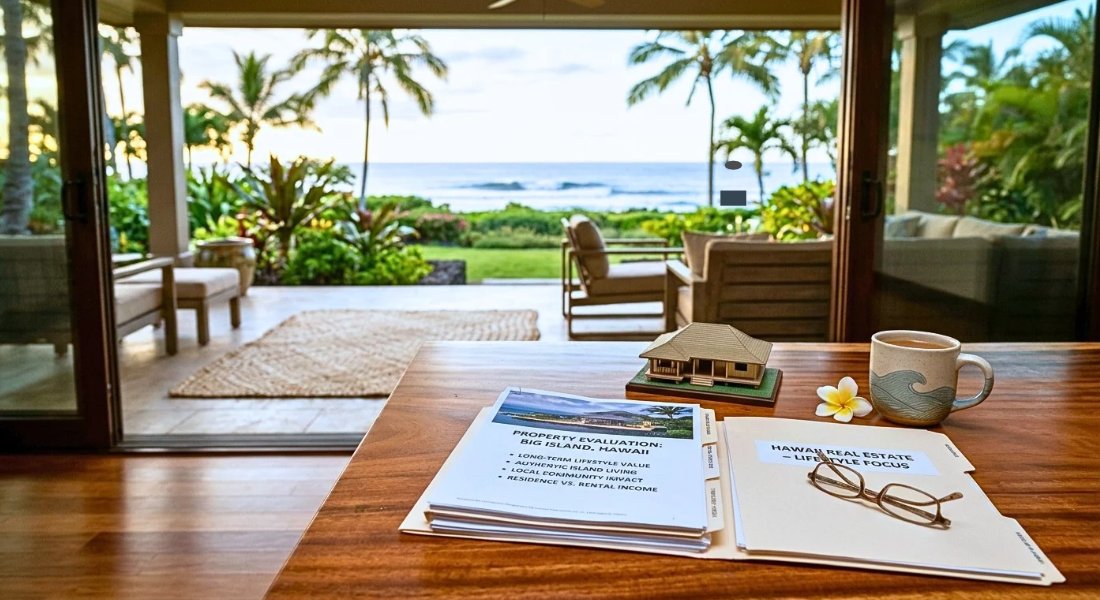
Buying property in Hawaii is different from buying in almost any other market in the world. The physical asset matters, but the life it delivers matters more.
Buyers who model mainland cap rates and project short-term rental returns on a spreadsheet may overlook important ownership costs and lifestyle considerations.
The Advice That Shapes Our Approach
Early in my career on the Big Island, several seasoned agents were winding down their practices. They were generous with what they had learned, and one piece of advice stuck with me: real estate in Hawaii is an investment in a lifestyle.
"I realized how true that is. Hawaii is special. It's different." – JB
Hawaii Real Estate Requires a Different Investment Approach
A common challenge in Big Island buyer conversations involves people approaching Hawaii real estate using mainland investment assumptions. They have run the numbers on short-term rental income, projected occupancy rates, and modeled returns that look promising on a spreadsheet. The enthusiasm is real, but those calculations may overlook key ownership costs and local regulations.
Hawaii's transient accommodations tax, remote property management costs, and short-term rental regulations all affect a property's financial performance. Hawaii County regulates where short-term vacation rentals are permitted and requires registration for transient vacation rentals under its current rules.
"You have to look at your profit margins from a very sober standpoint. Not just the potential. You have to be very real with it." – JB
A Hawaii property that carries itself financially can be an excellent outcome for an owner who also wants to enjoy island living. It provides a place to return to, the possibility of offsetting ownership costs, and a foothold in one of the world's most remarkable places.
Some well-located and properly managed properties can also generate meaningful rental revenue. Buyers who understand island economics alongside their investment goals are better prepared to make confident, sustainable decisions.
Hawaii County's short-term vacation rental rules include zoning, permitting, and registration requirements that vary by property and rental use. Confirming a property's legal eligibility for vacation rental use before writing an offer is an important part of evaluating the investment.
Buyers can review the Hawaii County Planning Department's short-term vacation rental requirements and transient vacation rental registration information as part of that process.
Get to Know the Community Before You Buy
Listing descriptions cannot fully capture a community or the experience of living there. A beautiful view can attract buyers before they have fully explored the property's microclimate, water system, or neighborhood character. Daily life in that specific part of the island may also feel quite different in November compared with July.
North Kohala and Kona are not interchangeable, and neither are the many smaller communities within them.
That is why some of the most important work happens at the beginning of every buyer relationship, before the property search begins.
I call on my experience as a builder to see past the staging and listing photos to a property's structure, condition, and likely ownership costs.
For more insights on finding the right home, read my post about how Big Island microclimates affect where you should live. I also wrote another useful post about what buyers need to know about Big Island water systems.
Common Questions About Hawaii Real Estate Investments
Is Hawaii real estate a good lifestyle investment?
Hawaii real estate can be a sound lifestyle investment when buyers understand the property, ownership costs, and experience they want from island living. The island lifestyle and a property that offsets some or all carrying costs can represent a realistic and valuable outcome. Evaluate rental income alongside Hawaii's transient accommodations tax, property management costs, and applicable short-term rental regulations. Buyers who consider both lifestyle and financial goals are better positioned to choose a property they will enjoy owning.
Can I make money renting my Hawaii property on a short-term basis?
Some properties generate meaningful vacation rental revenue, particularly those that are well-located, legally eligible, and actively managed. For other buyers, short-term rental income may help offset ownership costs rather than produce significant profit. Hawaii County regulates vacation rentals, so confirm a property's legal eligibility and registration requirements before building a financial plan around that income.
What do mainland buyers most often get wrong about Big Island real estate?
Mainland buyers sometimes underestimate how different Big Island infrastructure, zoning, and community characteristics are from those in other real estate markets. Water systems, permitting requirements, agricultural restrictions, and microclimates all influence property values and daily life in ways specific to Hawaii. Working with a broker who has lived on the island for decades helps buyers understand these differences and choose communities that fit their goals.
How does microclimate affect property decisions on the Big Island?
The Big Island contains a remarkable range of microclimates within relatively short distances. Elevation, trade winds, and coastal exposure create conditions that vary across communities, even within the same district. A property at 2,000 feet may experience significantly different rainfall, temperature, and humidity than one five miles away at sea level. These differences affect landscaping costs, maintenance needs, comfort, and daily life in ways that listing photos cannot fully capture.
What should I know about short-term rental zoning in Hawaii before buying?
Hawaii County regulates short-term vacation rentals through zoning rules, permitting requirements, and transient vacation rental registration. Not every property is eligible for short-term rental use, and registration alone does not establish that a property meets all applicable requirements. Buyers planning to earn vacation rental income should verify the property's zoning, legal rental status, and current registration requirements before purchasing. Understanding these details early helps buyers evaluate rental potential and make realistic financial plans.
Why does the lifestyle question matter more than the investment question?
A property that fits the life a buyer wants to live on the island can provide lasting value beyond its financial performance. The goal is to choose a community, climate, pace of life, and property that genuinely match the buyer's priorities. Financial performance remains important, but it works best as part of a decision that also supports the owner's lifestyle.
How long does the buying process typically take on the Big Island?
Timelines vary based on property type, financing, market conditions, and how clearly a buyer understands their goals. Buyers with a clear lifestyle vision, realistic financial expectations, and an understanding of island-specific considerations can approach the process with greater confidence.
Start Your Hawaii Property Search With the Right Priorities
If you are considering a Big Island purchase, the most useful first conversation goes beyond square footage and list price. A primary residence, second home, working agricultural property, or vacation rental investment should support the life you want to build here.
Starting with that goal helps buyers make decisions that reflect both their lifestyle priorities and long-term financial plans. Our team has been having these conversations on the Big Island for more than two decades, helping buyers understand their options.
Contact Kohala Brokers whenever you are ready to explore what island living could look like for you.