
















 Jonathan BrookePrincipal Broker / Owner
 Alani GalantoTransaction Coordinator
 John ShepherdAgent
Many buyers approach the inspection report expecting to find something concerning about the property they want to purchase. On the Big Island, tropical climate, local soil conditions, and aging construction can produce findings that raise questions for buyers unfamiliar with the island.
An experienced broker will be familiar with these conditions and can help buyers know what to look for during the first showing, well before the inspection report arrives.
An experienced broker can help buyers get ahead of the inspection report. Surface mold, signs of foundation movement, and weathered materials are common findings on the Big Island. A licensed home inspector gives buyers the full picture, and understanding the findings helps them discuss repairs, evaluate costs, and negotiate with confidence.
What a Careful Showing Can Reveal
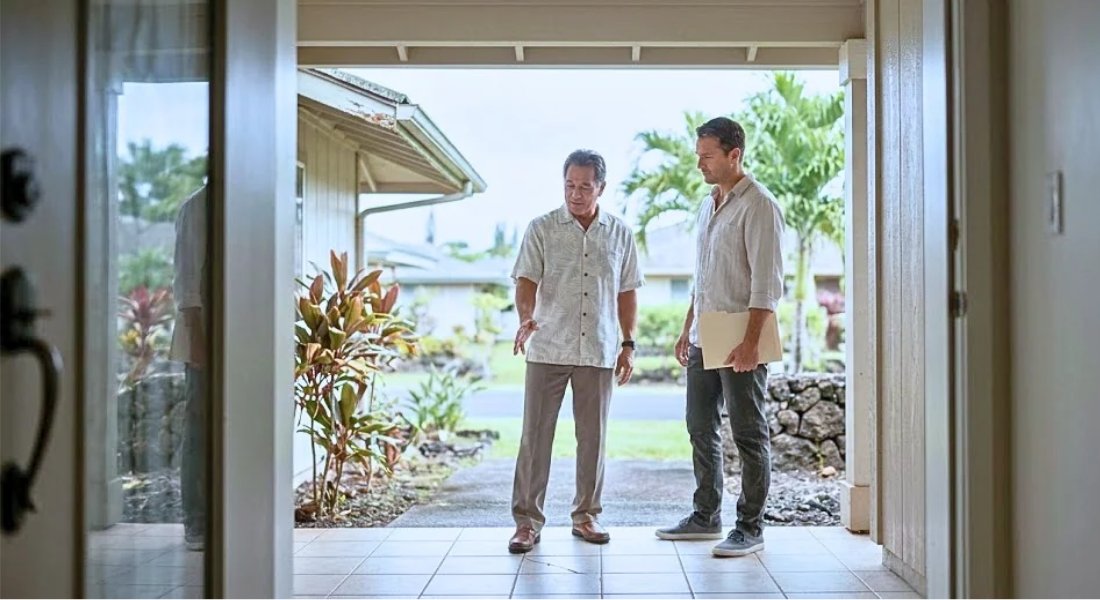
I call on my experience as a builder during showings, which helps me point out conditions worth raising with the inspector.
Cracked tile, signs of movement near a foundation, and possible moisture problems can draw attention during a showing. Rooflines can also reveal clues about drainage and water management that deserve a closer look during the inspection. Noting these details early helps buyers know what to ask their inspector.
A licensed home inspector then provides a professional evaluation of the property's condition, including issues that may not be visible during a walkthrough. I always recommend one.
Understanding Common Big Island Inspection Findings
The tropical climate can produce inspection findings that mainland buyers may not expect. Surface mold is one concern that deserves attention, particularly in areas with frequent rainfall and high humidity.
On the wetter, east-facing sides of the island, homes can develop surface mold when moisture levels remain high. That finding does not automatically indicate extensive damage, but the cause and extent of the growth should be evaluated.
Understanding the difference between surface growth and moisture intrusion from a leaking shower or other concealed water source helps buyers make informed decisions.
"You're going to see mold, it's just what type of mold and how many parts per million." -JB
Mold appearance and species identification alone cannot determine the extent of a problem or its potential health effects. Professional evaluation can help buyers understand the moisture source, the amount of growth, and whether further investigation is appropriate.
Signs of foundation movement, weathered exterior finishes, and older roofing materials may also appear in Big Island inspection reports.
These findings do not always prevent a purchase, although their significance depends on the property's condition and the work involved.
For buyers learning about the island, our post about Big Island microclimates is a worthwhile read. It explains how local weather conditions influence property ownership.
Inspection Findings That Deserve Closer Attention
Buyers should consider both visible mold and the moisture conditions that may be causing it. A leak behind a shower wall can sometimes cause damage before visible signs appear.
Over time, persistent moisture can affect the subfloor, framing, and other building materials. That is a different situation from limited surface growth associated with high humidity, and it may require additional evaluation.
If you see signs of moisture intrusion during a walkthrough, further investigation before the inspection period ends can help buyers understand the property's condition. A qualified mold professional can assess the extent of growth, investigate moisture sources, and determine if sampling would provide useful information.
The EPA's mold guidance emphasizes identifying moisture problems and correcting the conditions that allow mold to grow. Testing may be appropriate in certain situations, but visible mold does not always require laboratory sampling.
Water systems deserve the same careful approach during a Big Island property evaluation. A property served by county water, private catchment, or a shared well may require different inspection considerations. The Big Island water systems guide explains the differences buyers should understand before entering the inspection period.
Our approach at Kohala Brokers combines years of Big Island experience with practical guidance throughout the inspection process.
Transparency Helps Keep Inspection Negotiations Productive
Transparency from both sides of a transaction helps keep inspection discussions productive and focused on the property's actual condition. When buyers and sellers discuss known issues early, they have a clearer basis for evaluating findings and negotiating appropriate solutions.
"If there's transparency from the beginning, that really helps alleviate any of those suspicions." -JB
Early and honest discussions about property condition keep negotiations focused on documented findings, realistic repair costs, and reasonable solutions.
Hawaii's seller disclosure requirements also apply alongside the inspection process, rather than serving as a substitute for independent property evaluations. Buyers can review Hawaii's mandatory seller disclosure requirements and consult a qualified real estate attorney about their contractual rights.
FAQs About Big Island Home Inspections
What should Big Island buyers expect from a home inspection report?
Big Island inspection reports may identify conditions associated with tropical humidity, foundation movement, weathered materials, and aging roofing systems. Some findings involve routine maintenance, while others may require further evaluation of moisture, structural conditions, or building systems. An experienced broker can help buyers understand these findings and discuss appropriate next steps before the inspection period closes.
Is surface mold in a Hawaii home the same as toxic black mold?
Not necessarily, because mold appearance alone cannot reliably identify the type or determine its potential health effects. Surface mold can develop in humid environments, particularly on the wetter, east-facing sides of the Big Island. Some mold growth can be addressed through appropriate cleaning and moisture control, while larger or recurring problems may need professional remediation. A qualified professional can investigate the moisture source and determine if additional testing or assessment is appropriate.
Should Big Island buyers waive the home inspection contingency?
An inspection contingency provides important protection by allowing buyers to evaluate property conditions before completing a purchase, subject to contract terms. Hawaii's climate, water systems, and wastewater requirements make a professional inspection especially valuable for buyers unfamiliar with local properties. Buyers considering a contingency waiver should discuss the specific property and market conditions with their broker and obtain legal advice when appropriate.
What is the difference between surface mold and moisture intrusion in a Big Island home?
Surface mold can appear on walls, ceilings, or grout where moisture and humidity support its growth. Moisture intrusion occurs when water enters building materials through leaks, drainage problems, or gaps in the structure. A qualified professional can evaluate the source, extent, and appropriate treatment rather than relying on appearance or air sampling alone.
Can inspection findings support a price renegotiation on a Big Island property?
Yes, material inspection findings can support requests for repairs, a price adjustment, or a closing credit, depending on the contract. For the best chance of a successful renegotiation, support the request with documented findings and reasonable estimates for the work involved. Your broker can help you present those requests and evaluate potential solutions alongside qualified contractors.
What issues specific to the Big Island should buyers prioritize during the inspection period?
Water systems deserve close attention, particularly if a property relies on county water, private catchment, or a shared well. Wastewater systems, electrical panels, roof conditions, drainage, and foundation performance may also require property-specific evaluation. Hawaii's cesspool conversion requirements are another consideration, particularly for properties with existing cesspools or planned building modifications. We cover this in more detail in a recent post about what buyers need to know about Hawaii's cesspool conversion requirements.
How are Big Island home inspections different from inspections on the mainland?
The primary differences often come from Hawaii's climate, geology, and variety of residential infrastructure systems. Tropical humidity can contribute to mold and exterior weathering, while local soil and drainage conditions may influence foundation performance. Water systems range from county service to private catchment and shared wells, creating different maintenance and inspection considerations. Cesspools and septic systems also carry Hawaii-specific requirements that buyers should understand before purchasing. A licensed inspector familiar with Big Island conditions can evaluate these features, while an experienced broker helps buyers understand their significance.
Approach Your Big Island Home Inspection With Confidence
The Big Island home inspection period can feel more manageable when buyers understand the property's likely concerns before receiving the formal report. Learning about tropical construction, common maintenance issues, and conditions that deserve professional attention helps buyers make informed decisions.
With more than 20 years in Hawaii real estate, I guide buyers through property evaluations, inspections, and negotiations. Connect with my team at Kohala Brokers to talk through your home search and the properties you're considering.